
Do Prostate Supplements Help Urinary Symptoms?
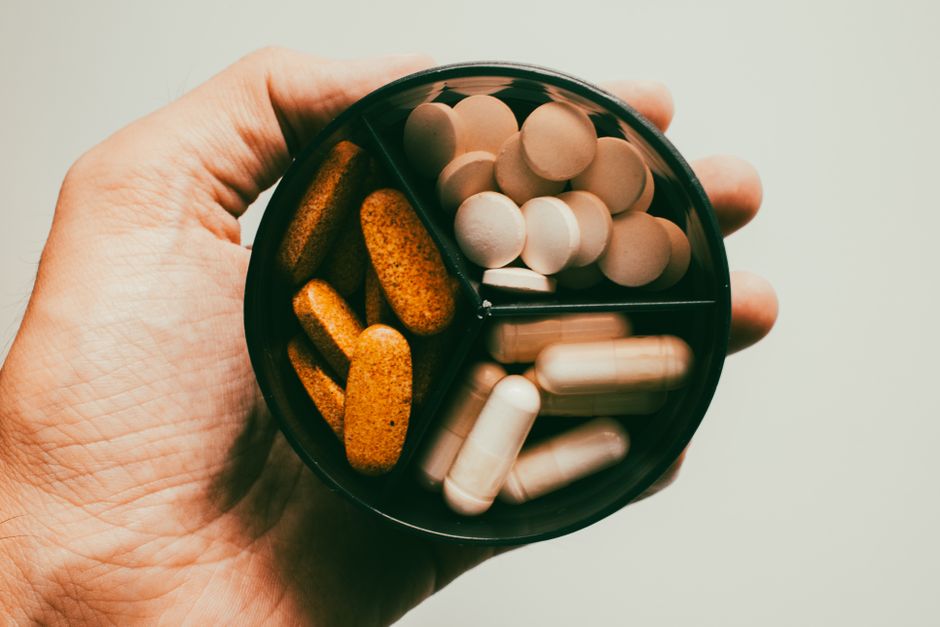
Most prostate supplements are not a substitute for assessment or evidence-based BPH treatment. Saw palmetto provides little to no symptom benefit and does not establish prostate shrinkage; beta-sitosterol has short-term symptom and urine-flow evidence but did not reduce prostate size. Products containing pygeum, nettle root, zinc, or selenium should not be treated as proven alternatives when urinary symptoms need an explanation.
Here is the useful distinction: a product can aim at symptom relief, urine flow, or prostate size, but those are different jobs. Treating them as interchangeable is how a label becomes more persuasive than the evidence. The better move is to match the claim on the bottle to the outcome the research actually measured.
Do prostate supplements actually shrink an enlarged prostate?
No common prostate supplement in the supplied evidence has established that it shrinks an enlarged prostate. The 1999 British Journal of Urology systematic review found that beta-sitosterol did not reduce prostate size, even though it reported short-term changes in symptoms and flow measures.
That matters because symptom intensity is not a reliable proxy for prostate size. According to the National Institute of Diabetes and Digestive and Kidney Diseases, a large prostate can cause few symptoms, while a slightly enlarged prostate can interfere substantially with urination. A better stream is not proof of a smaller prostate. A smaller prostate is not the only path to symptom relief.
There is a clearer evidence-based split in medical treatment. NIDDK explains that alpha blockers relax muscles to improve urination, while 5-alpha-reductase inhibitors can stop prostate growth or help shrink the prostate; combining them can work better than either medicine alone. Those are clinician-discussion options, not interchangeable claims a supplement label can borrow.
The claim check: replace “supports prostate health” with “What outcome was tested: symptoms, urine flow, or prostate size?” If the label does not make that answer clear, it is adding cognitive load instead of reducing it.
Does saw palmetto help with frequent urination at night?
No, saw palmetto alone has not shown meaningful overall relief for BPH-related urinary symptoms, so the supplied evidence does not support relying on it for frequent nighttime urination. The 2023 Cochrane review of 27 randomized trials involving 4,656 participants found little to no difference in urinary symptoms compared with placebo at both 3 to 6 months and 12 to 17 months.
The numbers are blunt. At 3 to 6 months, the 2023 Cochrane review found a mean symptom-score difference of -0.90 points versus placebo across 9 studies and 1,681 participants. At 12 to 17 months, the same 2023 review found a difference of 0.07 points across 3 studies and 898 participants. That is not a case for escalating expectations or treating a higher-dose bottle as a new strategy.
The National Center for Complementary and Integrative Health reaches the same practical conclusion from a 2023 review of 27 studies: saw palmetto used alone provided little or no benefit for BPH symptoms. NCCIH also reports that two NIH-funded clinical trials found no symptom improvement, including one that raised the dose to three times the usual dose.
Safety is not the same as effectiveness. NCCIH reports saw palmetto was used safely in research studies for up to 3 years, with generally mild and infrequent digestive symptoms, dizziness, and headache. The 2023 Cochrane review likewise found saw palmetto alone was likely not associated with adverse events, but says evidence for combination products had lower certainty.
Is beta-sitosterol better than saw palmetto for BPH symptoms?
Beta-sitosterol has more promising short-term symptom and flow results than saw palmetto in the supplied research, but “better” does not mean proven for long-term use or capable of shrinking the prostate. The British Journal of Urology review identified 4 double-blind randomized trials totaling 519 men, and it specifically warned that product standardization, long-term effectiveness, safety, and prevention of BPH complications remained unknown.
| Ingredient or option | What the supplied evidence supports | What it does not establish |
|---|---|---|
| Saw palmetto | The 2023 Cochrane review found little to no improvement in BPH-related urinary symptoms versus placebo. | Meaningful symptom relief, a dose-response benefit, or prostate shrinkage. |
| Beta-sitosterol | The British Journal of Urology review found a 4.9-point symptom-score improvement, a 3.91 mL/s peak-flow improvement, and a 28.62 mL lower post-void residual volume versus placebo in short trials. | Prostate shrinkage, long-term effectiveness, long-term safety, or prevention of complications. |
| Pygeum and nettle root | The supplied sources provide no clinical findings for these ingredients. | A comparison with saw palmetto or beta-sitosterol based on this evidence set. |
| Zinc | The supplied sources provide no clinical findings for urinary symptoms or BPH treatment. | A claim that it treats urinary symptoms or shrinks the prostate. |
| Selenium | The NIH Office of Dietary Supplements states that subsequent randomized controlled trials found no reduction in prostate-cancer risk. | A reason to use selenium as prostate-cancer prevention or as a BPH treatment. |
The practical comparison is narrow. Beta-sitosterol had measured short-term effects in the supplied review; saw palmetto did not show meaningful overall benefit in the 2023 review. Neither result turns a supplement into a diagnostic tool, and beta-sitosterol's trials were too short to answer the long-game questions.
How to read a prostate supplement label without outsourcing the decision
Use a four-part label check. It takes less time than chasing a vague blend after symptoms persist.
- Name the ingredient. A label that says “prostate complex” is not a research finding. Identify whether it contains saw palmetto, beta-sitosterol, pygeum, nettle root, zinc, selenium, or a combination.
- Match the ingredient to the outcome. In the supplied evidence, beta-sitosterol had short-term symptom and flow data, while saw palmetto had little to no overall symptom benefit. Pygeum, nettle root, and zinc cannot be ranked from these sources because the supplied evidence does not cover their clinical effects.
- Separate a blend from a single ingredient. The 2023 Cochrane review found lower-certainty evidence for saw-palmetto combination products than for saw palmetto alone. A longer ingredient list does not automatically create a stronger conclusion.
- Check the interaction path. The FDA warns that supplements can change a medicine's absorption, metabolism, or excretion. The affirmative replacement for guessing is simple: bring a complete list of prescription medicines, over-the-counter medicines, supplements, doses, and use frequency to a medical visit.
There is also a quality-control limit worth keeping in view. NCCIH states that dietary supplements are not approved by the FDA before sale; manufacturers and distributors are responsible for evaluating safety and labeling before marketing. That does not prove every product is poor quality. It does mean “for sale” is not the same claim as “shown to work.”
When medical assessment matters more than another bottle
Medical assessment matters when symptoms are new, worsening, disruptive, or unexplained, because the same urinary complaint does not reveal its cause or its urgency. NIDDK says to discuss any urinary symptoms with a health care professional. For a related question that also benefits from structured follow-up, see What Should I Do After One High PSA Test Result?.
Use the red-flag screen. NIDDK advises urgent medical contact for inability to urinate; painful, frequent, urgent urination with fever and chills; blood in the urine; or severe lower-abdominal or urinary-tract discomfort. Those signs change the job from product comparison to timely care.
Medication and supplement choices also belong in the same conversation. The FDA says combining supplements with medicines can have dangerous and sometimes life-threatening effects. For planned surgery, the FDA notes that a clinician may recommend stopping supplements 2 to 3 weeks beforehand because of possible effects on heart rate, blood pressure, or bleeding risk.
The useful homework is not to hunt for a miracle ingredient. Write down the exact urinary change, every medicine and supplement in use, and the question that needs an answer: “Am I trying to improve symptoms, urine flow, or prostate size?” Bring that short list to a clinician. It gives the conversation a target.
Frequently Asked Questions
Can I take a prostate supplement with tamsulosin or finasteride?
Do not assume the combination is harmless. The FDA states that supplement ingredients can alter how medicines are absorbed, metabolized, or excreted, creating too much or too little medication effect. Bring the full list of supplements, medicines, doses, and frequency to a clinician or pharmacist before combining products.
How long should I try a prostate supplement before deciding it is not working?
The supplied evidence does not establish a reliable trial length for prostate supplements. A 2023 Cochrane review found little to no saw-palmetto benefit at both 3 to 6 months and 12 to 17 months, while the beta-sitosterol trials in the supplied review were short and could not establish long-term effectiveness. Persistent symptoms deserve reassessment instead of an open-ended supplement experiment.
Which urinary symptoms mean I should see a doctor rather than try supplements?
NIDDK advises urgent medical contact for inability to urinate; painful, frequent, urgent urination with fever and chills; blood in the urine; or severe lower-abdominal or urinary-tract discomfort. NIDDK also says urinary symptoms should be discussed with a health care professional because prostate size and symptom severity do not reliably move together.
Sources
- National Center for Complementary and Integrative Health: Saw Palmetto
- Cochrane Database of Systematic Reviews via PubMed: Serenoa repens for lower urinary tract symptoms
- British Journal of Urology systematic review via PubMed: Beta-sitosterol for BPH
- National Institute of Diabetes and Digestive and Kidney Diseases: Enlarged Prostate (BPH)
- U.S. Food and Drug Administration: Mixing Medications and Dietary Supplements
- NIH Office of Dietary Supplements: Selenium Fact Sheet for Health Professionals
Disclaimer: This article is for general information only and is not medical advice. It is not a substitute for diagnosis or treatment by a qualified healthcare professional. Always speak to your doctor before acting on anything you read here.