
What Is a Sustainable Everyday Weight-Loss Routine for Beginners?
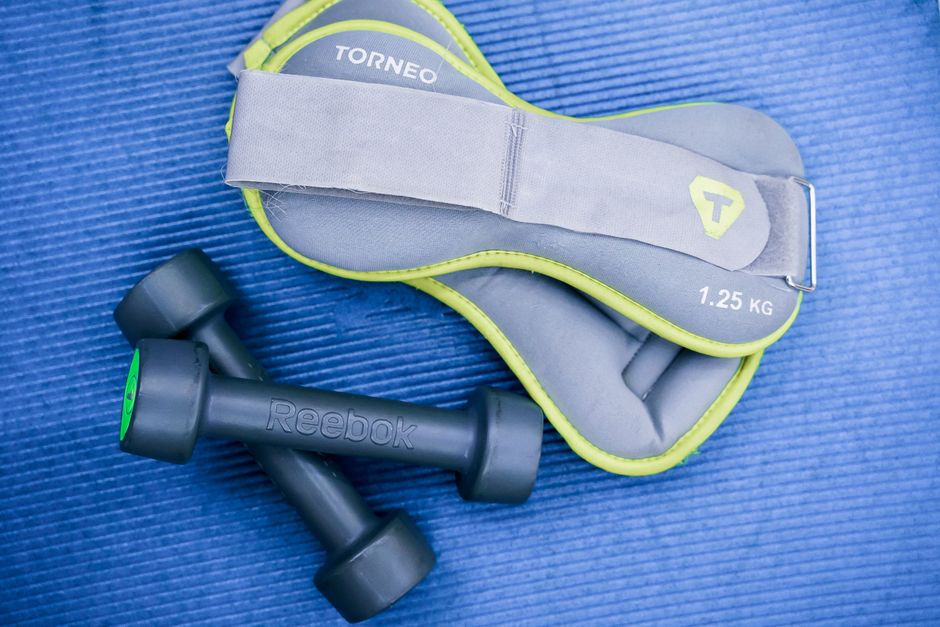
A sustainable beginner weight-loss routine is built around regular walking, strength work on nonconsecutive days, recovery, and an eating pattern you can maintain. Start below your maximum capacity, repeat a simple weekly structure, and increase only after it feels normal. Daily movement matters; daily punishing workouts do not. The goal is a routine with low enough friction that it survives busy weeks.
That distinction saves a great deal of wasted effort. Exercise helps people use more calories and maintain weight loss, but the National Institute of Diabetes and Digestive and Kidney Diseases says the foundation for losing weight is an eating plan that can be maintained over time. A routine is not a seven-day performance review. It is a repeatable operating system.
What exercise can I do every day to lose weight?
Walking is the most practical exercise to do every day for weight loss because it is easy to scale, easy to split across the day, and less likely to cause injury for beginners than many higher-impact options. The National Institute of Diabetes and Digestive and Kidney Diseases identifies walking and water workouts as lower-injury starting options.
Use the movement floor: choose an amount of walking that remains possible on an ordinary workday, not an unusually motivated day. A short walk after a meal, a walk before work, or a walk during a break all count. The federal guidance removed the old requirement that activity must happen in long continuous blocks, so small pieces of movement still belong on the board.
Then add strength work that covers the major muscle groups on separate days. This is where beginners often make the wrong trade: they replace a manageable walk with a demanding workout, miss the next session, and call the plan a failure. Keep the walk as the daily anchor. Treat strength work as the scheduled support layer.
| Routine component | What it does | Practical placement |
|---|---|---|
| Walking or another comfortable aerobic activity | Builds regular movement with a low setup cost | Attach it to a repeatable part of the day |
| Strength training | Meets the muscle-strengthening part of the activity guidance | Place sessions on nonconsecutive days for the same muscles |
| Recovery movement | Keeps the routine active without making every day hard | Use an easy walk or water workout after a harder session |
| Meal, sleep, and stress habits | Supports the broader healthy-weight lifestyle | Review these alongside activity, not as an afterthought |
The U.S. Department of Health and Human Services recommends a weekly mix of moderate or vigorous aerobic activity plus muscle-strengthening activity. Its key beginner instruction is more useful than an aggressive calendar: start small and build gradually. That is not a compromise. It is the adherence strategy.
Do I need to work out every day to lose weight?
No. You do not need a hard workout every day to lose weight; you need a plan that combines regular activity with eating, sleep, and stress habits you can sustain. The Centers for Disease Control and Prevention describes healthy weight management as a combination of healthy eating patterns, regular physical activity, adequate sleep, and stress management.
Use a clean distinction. Daily movement means you look for reasonable ways to move most days. Daily training means you demand a structured workout from the same body every day. The first can lower the barrier to consistency. The second can create fatigue, soreness, and an all-or-nothing mindset.
A workable week alternates effort. Put walking or another accessible aerobic activity around the week. Schedule strength work with recovery between sessions for the same muscles, as NIDDK advises. Keep some days deliberately easy. Recovery is not an empty slot; it is what lets the next planned session happen.
Use this before-and-after swap when the calendar gets tight. Weak rule: “If I cannot do the full workout, I skip it.” Strong rule: “If the planned session does not fit, I do the smallest version that preserves the routine.” NIDDK notes that shorter walks can be combined across the day, which makes the second rule practical rather than aspirational.
How much should I walk each day for weight loss?
Walk enough to build toward the federal weekly activity target, but begin with an amount you can repeat comfortably and add time gradually. There is no single daily walking requirement that guarantees weight loss, because activity is only one part of a healthy-weight plan and people start from different levels of fitness, mobility, eating patterns, sleep, and stress.
The federal guidelines set a weekly target for moderate aerobic activity and tell inactive people to start with small amounts. NIDDK gives the same operational answer: begin slowly, assess how you feel, and increase how long and how often you are active. Brisk walking is one moderate-intensity option, but the useful starting pace is the one that keeps you returning tomorrow.
Build your walking plan in stages rather than chasing a dramatic first week. First, establish a reliable cue, such as after lunch. Next, add another cue only when the first is automatic. Finally, make the walk longer or quicker if your body is recovering well. Change one variable at a time. Otherwise, you will not know whether the problem was time, intensity, footwear, sleep, or simply an overloaded schedule.
The CDC also recommends tracking activity, nutrition, sleep, and stress. That is a useful audit, not a punishment tool. A missed walk is information: identify the friction, then redesign the cue. Readers deciding whether supplements belong in their broader health routine can also review Should Men Take a Daily Multivitamin, Vitamin D, or Zinc?; supplements do not replace a sustainable activity and eating pattern.
Frequently Asked Questions
How do I make a weight loss routine that I can actually stick to?
Make the routine smaller before making it harder. The CDC recommends focusing on a limited set of realistic goals and tracking activity, food, sleep, and stress so you can see where the routine breaks. Put walks and strength sessions at recurring points in the day, then increase the workload only after that version is reliable.
Should I do cardio or strength training every day?
Daily easy movement can fit a sustainable plan, but daily hard cardio or strength training is not required. Federal guidance pairs aerobic activity with muscle-strengthening work, while NIDDK advises against training the same muscles on consecutive days because those muscles need recovery. Alternate the emphasis instead of turning every day into a test.
What should I do on rest days if I want to lose weight?
A rest day can still include comfortable movement such as walking or a water workout, both identified by NIDDK as lower-injury options for people beginning an activity routine. Keep the purpose clear: recovery from harder work, not repayment for eating or a missed session. Protecting sleep, planning meals, and returning to the next scheduled session are productive rest-day actions.
Run this week’s drill: write down the smallest walk you can complete on a busy day, choose the recurring cue that will trigger it, and schedule strength work with recovery between sessions. Then track what interrupted the plan. Fix the friction before adding more effort.
Sources
- U.S. Department of Health and Human Services, Physical Activity Guidelines Questions and Answers
- Centers for Disease Control and Prevention, Losing Weight
- National Institute of Diabetes and Digestive and Kidney Diseases, Staying Active at Any Size
- National Institute of Diabetes and Digestive and Kidney Diseases, Eating and Physical Activity
Disclaimer: This article is for general information only and is not medical advice. It is not a substitute for diagnosis or treatment by a qualified healthcare professional. Always speak to your doctor before acting on anything you read here.