
What Foods to Eat to Lose Weight in Stomach?
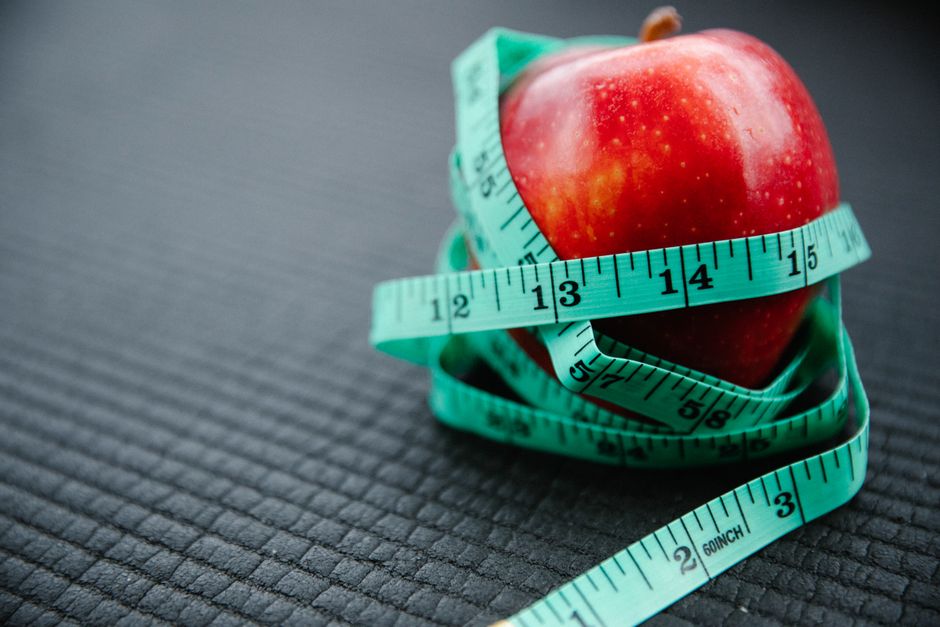
Foods to eat to lose weight in stomach fat are filling, nutrient-dense options such as beans, oats, fruit, vegetables, whole grains, eggs, fish, poultry, and other lean proteins. They can make a sustainable calorie deficit easier, but no food selectively burns stomach fat. Build meals around protein and fiber, choose water over sugary drinks, and use a steady eating pattern you can maintain.
What foods burn belly fat faster?
No individual food burns belly fat faster. Fat loss happens across the body, and the pattern of change varies; foods are useful when they help you maintain an overall calorie-reduced eating pattern without constant hunger.
The POUNDS LOST trial, published in 2012, compared four calorie-reduced diets with different proportions of fat, protein, and carbohydrate. Participants lost weight on all four diets at six months, without significant differences in weight loss based on macronutrient composition. The practical takeaway is to choose a balanced approach you can keep doing, rather than searching for a special fat-burning ratio.
For fullness, start with foods that bring volume, fiber, or protein. The CDC’s dietary guide recommends fruits and vegetables, whole grains, beans and peas, and lean meat, poultry, and fish. These options can take up more space in meals while supporting lower calorie intake; water and other no-calorie drinks can also help avoid calories from beverages.
Stomach size can change for reasons other than fat. Temporary bloating can make the abdomen feel or look fuller over a short period, while fat loss is a longer-term change in body composition. If a meal change affects how your stomach feels within hours or a day, that is different evidence from a sustained change in weight or waist measurements over time.
What foods help flatten your tummy?
To support a flatter-looking stomach over time, use meals that are filling and repeatable, rather than relying on a single “flat tummy” food. A simple plate can pair a protein source with vegetables or fruit and a whole-grain or bean-based carbohydrate; adjust portions and ingredients to fit your needs and preferences.
Try these meal-building options:
- Breakfast: oats with fruit, or eggs with vegetables and whole-grain toast.
- Lunch: beans or lean poultry with vegetables and a whole grain.
- Dinner: fish, eggs, poultry, or beans alongside vegetables and a grain or potatoes.
- Snack: whole fruit with yogurt or a small portion of nuts, or vegetables with a bean-based dip.
These are combinations, not a required menu. The Nutrition and Physical Activity Obesity Medicine Association clinical statement notes that food volume, form, protein, and fiber can affect fullness. It gives the example that whole apples are more satiating than puree, and puree more satiating than juice. When choosing between the whole fruit and its drinkable form, the whole food may make it easier to feel satisfied.
Quality and adherence matter more than adopting a rigid label. A position statement from the European Association for the Study of Obesity and the European Federation of the Associations of Dietitians identifies pulses, fruit and vegetables, nuts, whole grains, and dairy foods as useful components of nutrition therapy for adults with obesity. It also discusses several eating patterns, reinforcing that the plan should fit the person rather than depend on one universal menu.
What are the worst foods to eat to lose belly fat?
There is no universal forbidden-food list, but some choices can make a calorie deficit harder to maintain. Sugary drinks add calories in liquid form, and the CDC notes that calorie-containing drinks may not satisfy hunger as well as foods. Swapping a sweetened drink for water is a practical change the CDC specifically recommends.
Low-fiber, highly processed snack foods can also be easy to eat without much lasting fullness. The relevant question is not whether a food is “bad”; it is whether it helps or hinders the pattern you are trying to sustain. If a snack leaves you hungry soon afterward, try pairing a smaller portion with fruit, vegetables, yogurt, or another protein- or fiber-rich food.
Use a short tracking exercise instead of guessing. The CDC recommends tracking food and drink for a few days to identify realistic changes. Note beverages, snacks, and meal combinations, then pick one manageable substitution—such as water instead of a sugary drink or adding vegetables to a meal—and see whether it fits your routine.
What are 32 foods that burn belly fat quickly?
There are not 32 foods proven to burn belly fat quickly. A numbered list can still be useful as a shopping and meal-planning prompt, as long as the foods are understood as supportive choices rather than direct fat burners.
- Black beans
- Lentils
- Chickpeas
- Split peas
- Oats
- Brown rice
- Whole-grain bread
- Quinoa
- Apples
- Berries
- Oranges
- Pears
- Bananas
- Leafy greens
- Broccoli
- Carrots
- Bell peppers
- Tomatoes
- Cauliflower
- Green beans
- Eggs
- Chicken
- Turkey
- Fish
- Plain yogurt
- Cottage cheese
- Tofu
- Nuts
- Seeds
- Potatoes
- Peas
- Low-fat milk
The list draws on food groups identified in CDC guidance and the European obesity nutrition position statement; it does not rank foods by speed or promise abdominal fat loss. Mix and match items to make meals that suit your appetite, budget, and dietary needs. If a food does not work for you, another option from the same broad group can serve a similar role in the plate.
Evidence also helps put dramatic food claims in perspective. In a randomized trial published in 2024, a specific low-salt, high-fiber dietary intervention combined with a rice regimen was associated with a reduction in visceral adipose tissue among participants with obesity or type 2 diabetes. Because the intervention bundled multiple dietary changes and studied a specific patient group, it does not show that rice—or any single food—selectively burns abdominal fat.
Frequently Asked Questions
Can any food target fat loss specifically in the stomach?
No. Foods do not selectively remove fat from one body area. A sustainable calorie-reduced eating pattern can reduce overall body fat, including visceral fat, but where fat comes off first varies.
What should I eat at meals to stay full while losing weight?
Combine a protein food such as eggs, beans, fish, poultry, or dairy with vegetables, fruit, or whole grains. Water- and fiber-rich foods can add volume, while whole fruit is generally more filling than juice.
Can I eat carbohydrates and still lose belly fat?
Yes. Research comparing calorie-reduced diets found weight loss across different carbohydrate and fat compositions, and a separate trial found visceral fat reductions across both lower- and higher-carbohydrate patterns. The overall eating pattern and its sustainability matter more than eliminating carbohydrates.
How quickly can changing what I eat affect belly fat?
The available research does not establish a precise timeline for visible stomach changes from any particular food. The CDC says gradual loss of about one to two pounds per week is more likely to be maintained than faster loss; that is an overall weight-loss pace, not a guarantee about abdominal fat.
Sources
- Centers for Disease Control and Prevention, Losing Weight
- Centers for Disease Control and Prevention, Choosing Foods for Weight Management
- POUNDS LOST trial, American Journal of Clinical Nutrition
- EASO and EFAD position statement on nutrition therapy
- Nutrition and Physical Activity: An Obesity Medicine Association Clinical Practice Statement
- Impact of diet intervention on visceral adipose tissue and hepatic fat
Disclaimer: This article is for general information only and is not medical advice. It is not a substitute for diagnosis or treatment by a qualified healthcare professional. Always speak to your doctor before acting on anything you read here.
You may also like
What Is a Sustainable Everyday Weight-Loss Routine for Beginners?
Build a beginner weight-loss routine around walking, strength work, recovery, and habits that can hold up in real life.

When Should I Increase the Weight I Lift?
Use reps, form, and repetitions in reserve to decide when to add workout weight without outrunning recovery.
How Can I Find and Pay for Help That Lets My Parent Stay at Home?
A practical guide to home-care options, Medicare and Medicaid limits, local aging services, and safer ways to arrange support at home.
What Are the Best Supplements for Mild Erectile Dysfunction?
An evidence-based comparison of L-citrulline, L-arginine, ginseng, zinc, and vitamin D for mild erectile dysfunction.