
What Is Visceral Fat, and How Can Exercise Reduce It?
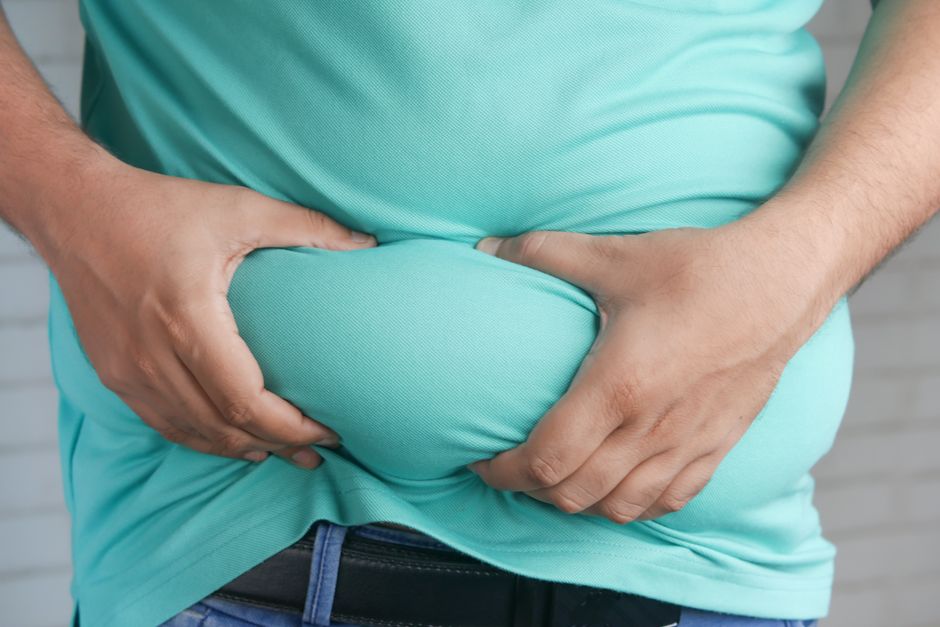
Visceral fat is the deeper abdominal fat around internal organs; the belly fat you can pinch is mostly subcutaneous fat beneath the skin. Both matter, but visceral fat has the sharper cardiometabolic risk profile. The practical response is not endless crunches: build a routine of aerobic activity and strength training, track waist circumference alongside other health measures, and arrange clinical follow-up when risk markers or waist size warrant it.
What is the difference between visceral fat and belly fat I can pinch?
The fat you can pinch is mostly subcutaneous fat, while visceral fat sits deeper in the abdomen around the organs. That distinction changes the stakes. In the Dallas Heart Study analysis, visceral adipose tissue was associated with insulin resistance, adverse lipoprotein measures, diabetes, metabolic syndrome, fatty liver, and aortic plaque after adjustment for BMI and other factors; subcutaneous abdominal fat did not show the same independent links with dyslipidemia or atherosclerosis.
Do not turn that into a visual diagnosis. A flat-looking stomach does not directly measure visceral fat, and a soft midsection does not reveal its exact mix of fat stores. The National Center for Health Statistics explains that waist circumference estimates both abdominal subcutaneous and visceral fat stores. It is a practical risk screen, not a scan.
The Pinch Test is useful for one thing: understanding what your fingers can reach. It cannot tell you how much visceral fat is present. Abdominal exercises strengthen the muscles underneath, but they do not selectively remove fat from one location. Treat core work as strength work, then use whole-body activity and clinical measures to assess the larger picture.
| Measure | What it helps show | What it cannot settle alone |
|---|---|---|
| Waist circumference | Abdominal fat stores and cardiometabolic risk beyond BMI, according to the International Atherosclerosis Society consensus statement (2020). | The exact amount of visceral fat. |
| BMI | A broad weight-for-height screen. | Belly fat distribution; the CDC (2024) states that BMI does not measure belly fat. |
| A pinch of abdominal tissue | Subcutaneous tissue beneath the skin. | Deeper fat around organs. |
The threshold is a prompt for context, not a verdict. The CDC (2024) identifies waist circumferences above 35 inches for women and above 40 inches for men as higher-risk measurements. The International Atherosclerosis Society consensus statement (2020) adds an important operational point: risk thresholds can vary with age, sex, ethnicity, and BMI. Bring the measurement into a broader health conversation rather than trying to interpret it in isolation.
Can walking reduce visceral fat?
Yes. Brisk walking is a credible starting tool for reducing visceral-fat risk because it is moderate aerobic activity that can be repeated consistently, not because it is a magic move. The CDC (2024) sets a baseline target of at least 150 minutes of moderate activity per week, such as brisk walking, alongside strength training for all major muscle groups on 2 or more days per week.
Consistency wins the scheduling argument. A person with limited fitness does not need to begin with punishing sessions; the useful first move is to establish repeatable walking, then make it brisk enough to count as moderate activity when tolerance allows. The International Atherosclerosis Society consensus statement (2020) concludes that clinically relevant waist reductions can be achieved with routine moderate-intensity exercise and/or dietary intervention.
Use the Capacity-First rule: choose the hardest routine that can still be repeated next week. Weak version: “Start an extreme plan on Monday.” Strong version: “Make a walking slot routine, then increase total weekly moderate activity toward the CDC target.” That lowers the friction that causes many exercise plans to disappear after a short burst.
Walking is not a substitute for medical assessment when risk is elevated. It is an accessible aerobic option within a broader plan. A waist measurement can help start that conversation because, as the CDC (2024) puts it, it “takes belly fat into account” and helps predict health risk from overweight.
Is HIIT better than moderate cardio for visceral fat?
No. HIIT is not required for visceral-fat reduction, and current comparative evidence does not show that it beats continuous aerobic training for that outcome. A 2024 meta-analysis of 11 randomized clinical trials found no statistically greater reduction in abdominal visceral fat with HIIT than with continuous aerobic training in adults with overweight or obesity.
That result removes a common false choice. HIIT can be a valid option for people who tolerate and prefer it, but moderate continuous cardio remains a valid option for people who prefer walking, cycling, swimming, or another sustainable format. The same 2024 meta-analysis found HIIT had greater benefits for cardiorespiratory fitness, fasting blood glucose, and total cholesterol, while finding neither method superior for visceral fat.
The larger 2024 Obesity Reviews systematic review, covering 84 randomized controlled trials and 4,836 participants with overweight or obesity, found benefits for visceral adipose tissue from moderate-or-higher-intensity aerobic exercise, resistance training, combined aerobic plus resistance training, and HIIT. Its rankings gave vigorous aerobic exercise and HIIT the highest probability of being most effective for visceral-fat reduction, but rankings are not a mandate. The best category on paper is useless if it raises the barrier to showing up.
The decision rule is simple: choose moderate cardio when repeatability and lower impact are the constraint; choose HIIT when it is tolerable and enjoyable; keep strength training in the plan either way. Avoid the weak framing, “If it is not HIIT, it does not count.” Use the accurate framing: “Aerobic exercise counts, and HIIT is one intensity option.”
Build a low-impact routine and use the right risk checks
Start with the CDC (2024) activity framework, then scale the format to current capacity. The aim is not a dramatic first week. The aim is a plan that covers aerobic work, major-muscle-group strength work, and a way to notice whether waist and broader health markers are moving in the right direction.
- Set the aerobic lane. Use brisk walking or another moderate activity and build toward the CDC’s 150-minute weekly target from 2024. If vigorous activity is the better fit, the CDC’s 2024 alternative is 75 minutes per week.
- Add two strength days. The CDC (2024) recommends strength training for all major muscle groups on 2 or more days each week. Include core training if it is enjoyable, but do not mistake it for a spot-fat-reduction strategy.
- Track the signal, not just body weight. The 2024 Obesity Reviews analysis found resistance training improved waist circumference despite not significantly improving body weight. Waist change and fitness capacity can therefore be meaningful alongside scale change.
- Escalate the health conversation when the measurement calls for it. The CDC’s 2024 higher-risk waist thresholds are above 35 inches for women and above 40 inches for men. A clinician can place that measurement alongside blood pressure, cholesterol, glucose, medical history, and other risk factors.
This is also the point to avoid borrowed certainty. Public evidence supports waist circumference as a useful risk marker beyond BMI, but it does not let an article diagnose an individual. If another health concern is already being evaluated, keep the questions separate; for example, a high PSA result needs its own evidence-based follow-up, not an assumption that abdominal fat explains it.
Frequently Asked Questions
Will strength training help reduce fat around my waist?
Yes. The 2024 Obesity Reviews analysis found that resistance training improved waist circumference and subcutaneous fat, while its effect on body weight was not statistically significant. That makes strength work useful for improving the measurement that matters here without treating the scale as the only scorecard.
Can I reduce visceral fat even if the scale does not change?
Yes. The International Atherosclerosis Society and International Chair on Cardiometabolic Risk Working Group consensus statement reported that exercise groups reduced waist circumference by about 5 centimetres compared with control, without a difference between lower- and higher-exercise-expenditure groups. The 2024 Obesity Reviews analysis also found that resistance training improved waist circumference even though it did not significantly improve body weight.
When should I speak with a doctor about my waist size or belly fat?
The CDC (2024) identifies waist measurements above 35 inches for women and above 40 inches for men as higher risk. A clinical conversation is especially useful because waist circumference adds risk information beyond BMI, and the relevant review can include blood pressure, blood glucose, cholesterol, and other factors rather than treating one tape-measure result as a diagnosis.
This week’s drill: write down the aerobic activity you can repeat, the two strength sessions you can schedule, and the health measure you will discuss at the next appropriate appointment. The point is not to chase a body-part promise. It is to run a plan that addresses risk with evidence instead of guesswork.
Sources
- Centers for Disease Control and Prevention: Healthy Weight
- National Center for Health Statistics: Waist Circumference Measurement Protocol
- Obesity Reviews: Systematic Review and Network Meta-Analysis of Exercise and Fat Measures
- Journal of Exercise Science & Fitness: HIIT Versus Continuous Aerobic Training Meta-Analysis
- International Atherosclerosis Society and International Chair on Cardiometabolic Risk Working Group Consensus Statement
- Obesity: Dallas Heart Study Analysis of Visceral and Subcutaneous Fat
Disclaimer: This article is for general information only and is not medical advice. It is not a substitute for diagnosis or treatment by a qualified healthcare professional. Always speak to your doctor before acting on anything you read here.