
What Supplements Can Lower Blood Pressure Naturally, and Are They Safe?
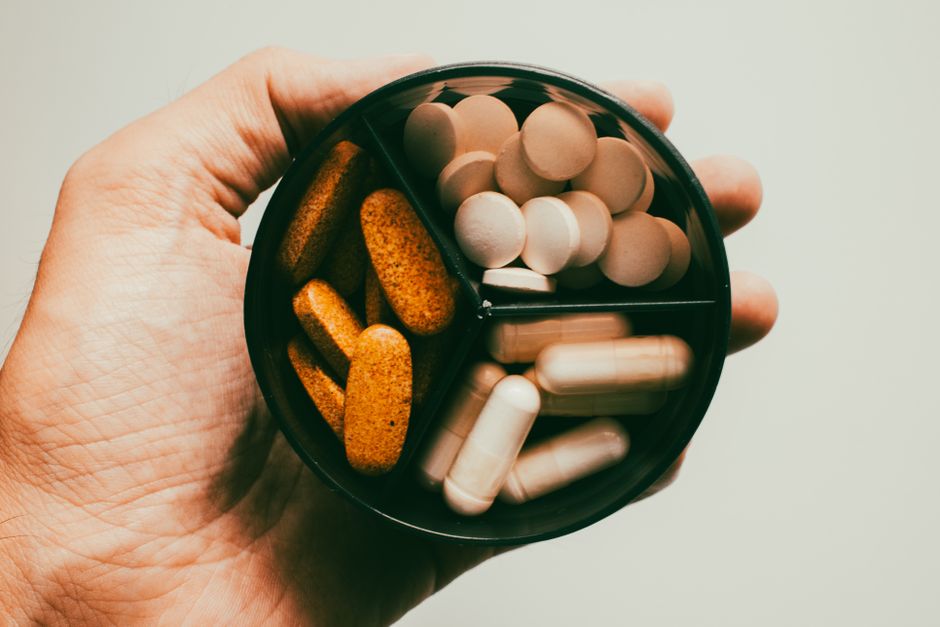
No supplement is the best standalone treatment for high blood pressure. Magnesium, beetroot juice, hibiscus, garlic, and potassium each have limits, interaction risks, or uneven evidence. The practical move is to keep prescribed treatment in place, use food-first habits where appropriate, and have a clinician or pharmacist check any supplement against your medicines and kidney function.
What is the best supplement to lower blood pressure naturally?
There is no clear best supplement. The evidence is strongest for a modest, measured effect from magnesium and beetroot juice, but the evidence does not support swapping either one for treatment. The American Heart Association states in its current guidance that no pill, vitamin, or drink can replace prescribed medication and lifestyle changes.
Use the evidence ladder, not the marketing ladder. A 2025 review in Hypertension pooled 38 randomized controlled trials and found that magnesium lowered systolic pressure by 2.81 mm Hg versus placebo across interventions lasting at least four weeks. A 2024 review of 11 randomized trials found beetroot juice lowered clinic systolic pressure by 5.31 mm Hg versus placebo, but it did not significantly improve clinic diastolic or 24-hour outcomes and rated the evidence low certainty.
| Option | What the research found | The limit that changes the decision |
|---|---|---|
| Magnesium | The 2025 Hypertension review found a 2.81 mm Hg average systolic reduction. | High variation between trials means the review did not establish an optimal dose. |
| Beetroot juice | The 2024 review found a 5.31 mm Hg clinic systolic reduction. | It did not significantly improve clinic diastolic or 24-hour outcomes; long-term safety was not evaluated. |
| Hibiscus | The 2021 Nutrition Reviews analysis found a 7.10 mm Hg systolic reduction versus placebo. | Very high variation means an effective dose and duration remain unsettled. |
| Garlic | The 2015 analysis summarized by NCCIH found some evidence of lower pressure in people with hypertension. | NCCIH describes the evidence as not strong and flags bleeding risk with anticoagulants. |
| Potassium | Potassium is an essential nutrient, not a universal blood-pressure supplement. | Kidney disease and several common medicines can make extra potassium dangerous. |
That comparison delivers the useful conclusion: a millimeter-of-mercury result is not a permission slip. It is an average from a research group, not a prediction for one person. Bring the product label and medication list to a pharmacist or clinician before adding anything. That review is especially important if heart-rhythm concerns are already part of the picture; a home heart-rate reading with AFib also needs context rather than a one-number interpretation.
Does magnesium actually lower blood pressure?
Yes, magnesium lowered blood pressure modestly on average in a 2025 randomized-trial review, but the result is not a universal prescription. The 2025 Hypertension systematic review included 2,709 participants across 38 randomized controlled trials and found reductions of 2.81 mm Hg systolic and 2.05 mm Hg diastolic compared with placebo in trials lasting at least four weeks.
The larger results appeared in narrower groups. In the 2025 review, participants with hypertension already using blood-pressure-lowering medication had a 7.68 mm Hg systolic reduction, while people with hypomagnesemia had a 5.97 mm Hg systolic reduction. Those figures explain why a broad headline can mislead: the likely value depends on the starting situation.
The review also found high heterogeneity and no dose-response relationship. Translation: more is not established as better, and its median study amount is not a personal dosing instruction. A clean question for a clinician is: “Does my medication list, kidney function, and lab history make magnesium reasonable to discuss?” That is a better question than “Which bottle has the biggest number?”
Is potassium safe to take for high blood pressure?
Potassium can be unsafe as a supplement when kidney function or medicines limit the body’s ability to remove it. The National Institutes of Health Office of Dietary Supplements lists adequate intake for healthy adults as 3,400 mg per day for men and 2,600 mg per day for women, but its guidance says those values do not apply to people with impaired potassium excretion from kidney disease or medicines.
Food and a concentrated product are not interchangeable choices. The NIH notes that most potassium-containing multivitamin and mineral supplements provide no more than 99 mg per serving. That number does not mean a product is automatically harmless or useful; it means the label alone does not tell the safety story.
The risk stack is clear. Chronic kidney disease, ACE inhibitors, ARBs, and potassium-sparing diuretics can impair urinary potassium excretion, according to the NIH. Severe hyperkalemia can cause muscle weakness, paralysis, palpitations, and potentially life-threatening heart rhythm problems. The affirmative replacement behavior is simple: ask for a medication-and-kidney-function review before using a potassium product, rather than treating “natural” as a safety label.
How much beetroot juice do I need to lower blood pressure?
The research does not establish a personal amount of beetroot juice that reliably lowers blood pressure. The 2024 Nutrition, Metabolism and Cardiovascular Diseases review evaluated daily beetroot juice interventions providing 200 to 800 mg of nitrate and found a 5.31 mm Hg reduction in clinic systolic pressure among 349 adults with hypertension across 11 randomized trials.
That range is research context, not an instruction to take a specific amount. The same 2024 review found no significant improvement in clinic diastolic pressure or 24-hour readings, reported moderate-to-high variation between studies, and said long-term safety of ingested beetroot juice had not been evaluated. The answer is not to chase a larger serving. It is to discuss whether the product, the rest of the diet, and the medication list make sense together.
There is one hard stop. The American Heart Association defines a reading above 180/120 mm Hg as severe hypertension. Repeat it after one minute; if it remains that high, contact a health professional. If it comes with chest pain, shortness of breath, back pain, numbness, weakness, vision change, or difficulty speaking, call 911. This is not a beetroot, magnesium, or hibiscus decision.
Frequently Asked Questions
Can I take garlic, hibiscus, or CoQ10 with blood pressure medicine?
Garlic, hibiscus, and CoQ10 should be checked with a health professional or pharmacist before combining them with blood-pressure medicine. The National Center for Complementary and Integrative Health reports that garlic supplements can increase bleeding risk for people taking anticoagulants, while the American Heart Association warns that supplements can interact with blood-pressure medicines or raise blood pressure. The supplied sources do not provide interaction evidence for CoQ10, so public data in this dossier does not establish that combination as safe.
Which supplements should people with kidney disease avoid?
People with chronic kidney disease should not assume potassium supplements are safe. The National Institutes of Health Office of Dietary Supplements states that impaired potassium excretion can make even intake below the adequate intake cause hyperkalemia, particularly alongside ACE inhibitors, ARBs, or potassium-sparing diuretics. A clinician who knows the person's kidney function and medicines needs to assess potassium use.
Can supplements replace blood pressure medication?
No. The American Heart Association states that no pill, vitamin, or drink can replace prescription medication and lifestyle changes, and it says never to reduce or stop prescribed blood-pressure medicine without consulting a health professional. Supplements belong, at most, in a reviewed plan rather than in place of treatment.
This week’s drill: put every supplement, over-the-counter product, and prescription in one list. Then ask one precise question: “Which items could affect my blood pressure, potassium, bleeding risk, or kidney safety?” That reduces the chance of making a medication decision from a front-label promise.
Sources
- National Institutes of Health Office of Dietary Supplements: Potassium Fact Sheet for Health Professionals
- Hypertension: Magnesium Supplementation and Blood Pressure Meta-Analysis
- Nutrition, Metabolism and Cardiovascular Diseases: Beetroot Juice Meta-Analysis
- National Center for Complementary and Integrative Health: Complementary Health Approaches for Hypertension
- Nutrition Reviews: Hibiscus sabdariffa Meta-Analysis
- American Heart Association: Managing High Blood Pressure Medications
- American Heart Association: Understanding Blood Pressure Readings
Disclaimer: This article is for general information only and is not medical advice. It is not a substitute for diagnosis or treatment by a qualified healthcare professional. Always speak to your doctor before acting on anything you read here.
You may also like

Should Women Take Creatine for Strength, Recovery, and Healthy Aging?
A research-driven guide to creatine for women: strength, scale changes, safety concerns, vegetarian diets, and healthy aging.

How Should I Time Breakfast Around Levothyroxine?
A practical guide to timing levothyroxine around breakfast, coffee, calcium, iron, soy, fiber, and satisfying dairy-free options.
Do Prostate Supplements Help Urinary Symptoms?
A practical evidence guide to saw palmetto, beta-sitosterol, supplement safety, and when urinary symptoms need medical assessment.
What Are the Best Supplements for Mild Erectile Dysfunction?
An evidence-based comparison of L-citrulline, L-arginine, ginseng, zinc, and vitamin D for mild erectile dysfunction.