
How to Get Rid of Belly Fat Women: What Actually Works?
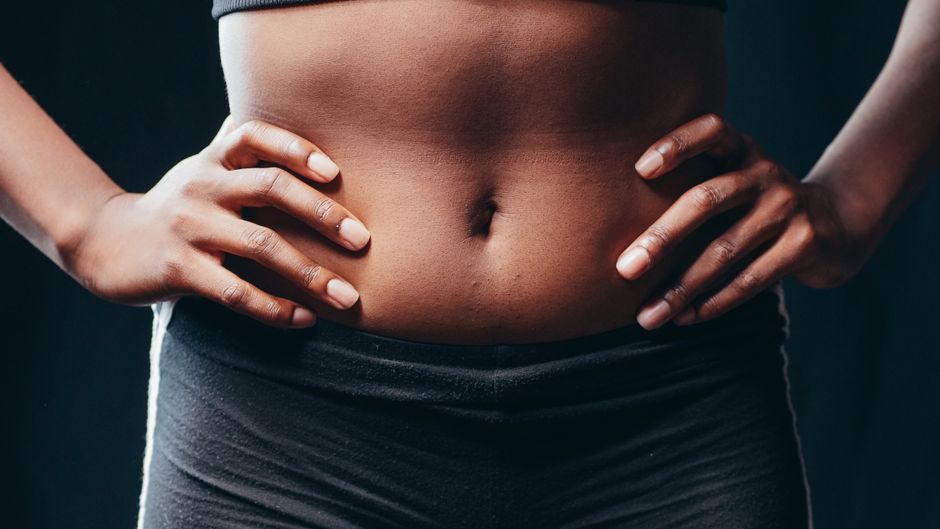
To get rid of belly fat, women need habits that support gradual overall fat loss: thoughtful portions, fewer sugary drinks, regular aerobic activity, strength training, adequate sleep, and consistency. Ab exercises can strengthen the core but do not selectively remove abdominal fat. Menopause, age, and genetics also affect fat distribution, so quick fixes and week-to-week waist changes are poor measures of progress.
How can a woman lose lower belly fat fast?
There is no reliable fast method for losing lower belly fat specifically; the workable route is gradual overall fat loss. The CDC says gradual weight loss of about 1 to 2 pounds per week is more likely to be maintained than faster loss, though individual results vary and this rate does not promise a particular waist change.
Use a two-week habit audit instead of a crash plan. For a few days, the CDC recommends tracking food and drinks, physical activity, and sleep to reveal practical adjustments. Then apply the same simple checks for the rest of two weeks:
- Check portions. Notice when portions are larger than intended and choose them thoughtfully, as Mayo Clinic recommends.
- Audit drinks. Replace sugary drinks with water or another unsweetened beverage where that fits your routine.
- Log movement. Mayo Clinic recommends at least 150 minutes of moderate aerobic activity or 75 minutes of vigorous activity weekly, plus strength training at least twice a week.
- Schedule strength work. Put the sessions on the calendar so they are not left to spare time.
- Record sleep. The CDC includes sufficient sleep and stress management in healthy weight management; tracking helps you see whether either is consistently squeezed out.
- Repeat before revising. Look for habits you can sustain rather than reacting to every daily fluctuation.
- Review the pattern. At the end of two weeks, keep the changes you were able to repeat and choose one next adjustment.
This audit is a way to find workable routines, not a two-week promise of visible fat loss. The CDC specifically cautions that unrealistic targets, such as losing 20 pounds in two weeks, can lead to frustration.
What is the main cause of belly fat in females?
There is no single cause: abdominal fat reflects the balance between calorie intake and expenditure, alongside age and genetics, according to Mayo Clinic. A waistline can change for more than one reason, so a single food, workout, or drink cannot explain every woman's experience.
Menopause can shift the pattern. Mayo Clinic explains that lower estrogen after menopause may move fat distribution toward the abdomen even without weight gain. That can mean a different waistline without a change on the scale; it is a change in distribution, not proof that a quick fix is needed.
Age-related muscle loss is another relevant consideration, but the provided sources do not quantify its effect on an individual woman's waist. Do not treat it as a diagnosis or assume the same pattern applies to every woman. Mayo Clinic notes that a waist measurement above 35 inches (89 cm) in women is associated with greater health risk; this is a health-risk marker, not a deadline or a weight-loss target.
What kills belly fat naturally?
No natural drink, food, or single habit selectively kills belly fat. The practical approach is a repeatable pattern that supports overall fat loss, including thoughtful portions, unsweetened drinks, regular activity, strength training, sleep, and stress management.
For food choices, see What Foods to Eat to Lose Weight in Stomach? as a related guide, but keep the central distinction clear: no specific food can target fat loss from the abdomen. Similarly, water is a useful replacement for sugary drinks, not a fat-burning treatment.
Core exercises have a role, but not the one quick-fix claims assign them. In a randomized study of 24 sedentary adults, six weeks of abdominal exercises improved curl-up performance but did not significantly change body weight, body-fat percentage, abdominal circumference, or abdominal fat measures, according to the Journal of Strength and Conditioning Research study indexed by the National Library of Medicine. Train your core for strength and endurance; pair that work with broader habits if fat loss is the goal.
What exercise burns the most belly fat for females?
No exercise selectively burns the most belly fat; regular aerobic activity and strength training support overall fitness and weight management. Mayo Clinic recommends at least 150 minutes of moderate aerobic activity or 75 minutes of vigorous activity weekly, plus strength training at least twice a week.
Choose activity you can repeat. Walking can contribute to aerobic movement, while strength training provides a separate part of the routine; the useful choice is one that fits your schedule and can be sustained. For context, a year-long randomized trial of 173 sedentary, overweight or obese postmenopausal women found that participants assigned to exercise progressed to about 45 minutes of moderate-intensity exercise five days a week. After 12 months, the exercise group lost an average of 1.3 kg while the control group gained 0.1 kg, and the exercise group reduced intra-abdominal fat by 6.9% while maintaining energy intake, according to the JAMA trial indexed by the National Library of Medicine. These are group results in a specific population, not a forecast for every woman.
Separate gradual waist change from temporary abdominal fullness. The NHS says bloating can make the abdomen feel full or look bigger; common causes include intestinal gas, constipation, food intolerance, irritable bowel syndrome, and menstrual-cycle changes. If bloating is regular or persistent, or occurs with unintentional weight loss or blood in the stool, the NHS advises contacting a GP. A new or concerning symptom is a reason to seek medical evaluation rather than assume it is fat gain.
Frequently Asked Questions
Can drinking water or certain drinks reduce belly fat?
Water does not selectively burn belly fat. Mayo Clinic recommends replacing sugary drinks with water or other unsweetened beverages as one practical part of overall fat-loss habits.
How long does it take women to notice belly fat loss?
There is no reliable timetable for a visible waist change, and individual results vary. The CDC says gradual weight loss of about 1 to 2 pounds per week is more likely to be maintained than faster loss, but that is not a promise of a specific change in abdominal fat.
Why is my waist changing even though my weight is stable?
Bloating can make the abdomen feel full or look bigger, and common causes include gas, constipation, food intolerance, irritable bowel syndrome, and menstrual-cycle changes, according to the NHS. Regular or persistent bloating, or bloating with unintentional weight loss or blood in the stool, warrants contacting a GP.
Sources
- Mayo Clinic: Belly fat in women
- Centers for Disease Control and Prevention: Losing Weight
- National Library of Medicine: Journal of Strength and Conditioning Research abdominal exercise study
- National Library of Medicine: JAMA exercise trial
- NHS: Bloating
Disclaimer: This article is for general information only and is not medical advice. It is not a substitute for diagnosis or treatment by a qualified healthcare professional. Always speak to your doctor before acting on anything you read here.
You may also like
What Is Visceral Fat, and How Can Exercise Reduce It?
A practical guide to visceral versus subcutaneous belly fat, walking, HIIT, strength training, waist measurements, and clinical risk checks.
Should Women Take Creatine for Strength, Recovery, and Healthy Aging?
A research-driven guide to creatine for women: strength, scale changes, safety concerns, vegetarian diets, and healthy aging.

Hawaii Multi-Island Packages: When Two or Three Islands Work
A research-based guide to deciding whether a Hawaii island-hopping package is worth it and how many islands fit without losing days to transfers.
What Is a Sustainable Everyday Weight-Loss Routine for Beginners?
Build a beginner weight-loss routine around walking, strength work, recovery, and habits that can hold up in real life.